
📞
NeedGEO Keyword Strategy: The Transition from Traditional SEO Keywords to AI Search Intent?Get a Free Consultation
One-on-one answers from a specialist, get a tailored plan and quote
From keyword matching to intent understanding
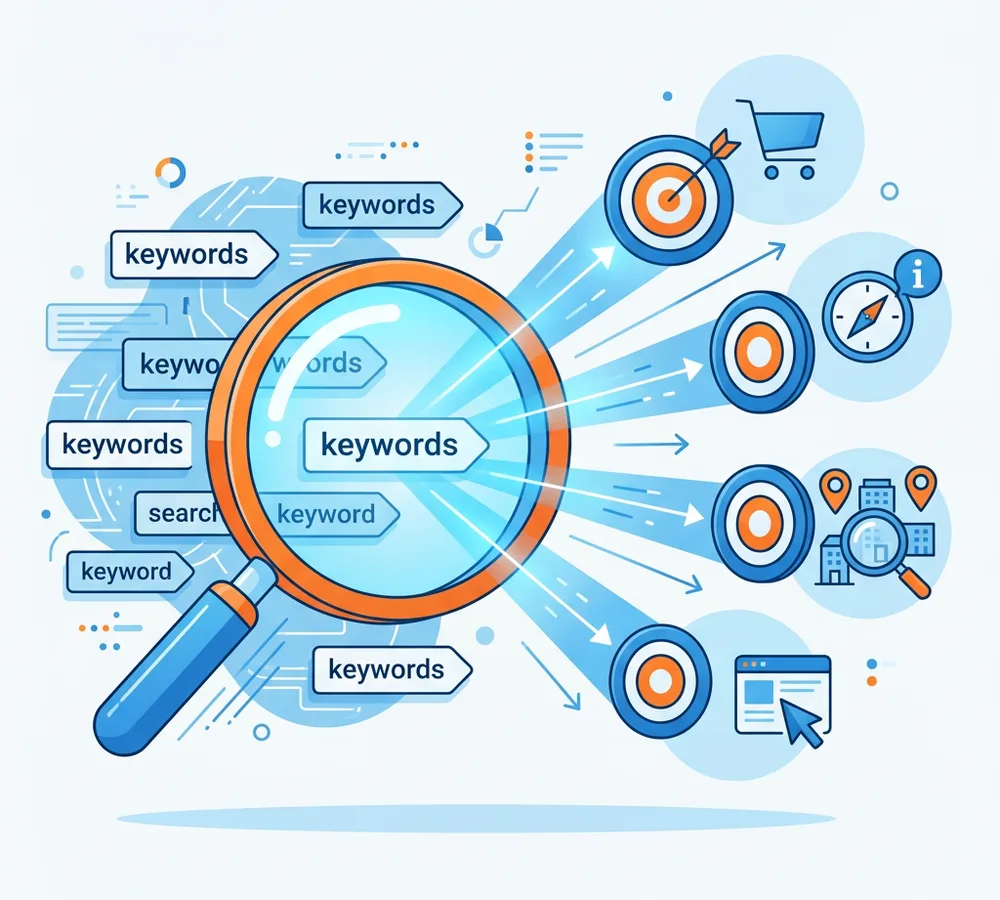
The core of traditional SEO is to optimize the words that users search for. But AI search engines understand users' true intentions, not surface keywords. GEO's content strategy needs to shift from "keyword thinking" to "intent thinking".
Four types of intent for user AI search
1. Informational Intent("What" "Why")
- The user asked, 'What is GEO optimization?'? Why do we need to hire a designer for decoration? "
- Content strategy: Create popular science and explanatory content, systematically answer basic industry questions
- Key: The content should be comprehensive, authoritative, and easy to understand
2. Navigation intent("Where to go" "Who to look for")
- The user asked, "Where is a good decoration company in XX city? Which lawyer should I choose to file a divorce lawsuit with? "
- Content strategy: Improve localized information and establish consistent merchant information across multiple platforms
- Key: Localization, Information Accuracy, Multi Platform Consistency
3. Transactional Intent("What to buy" "How much money")
- The user asked, 'How much does XX product cost?'? How much is the budget for decorating 100 square meters? "
- Content strategy: Provide transparent pricing information and purchasing guidelines
- Key: Price transparency, comparative analysis, purchasing advice
4. Evaluative Intent("Which is good" "Is it worth it")
- The user asked, "Which is better, XX or XX? Is the XX brand worth buying? "
- Content strategy: Create objective product comparisons, reviews, and user evaluations
- Key: Objective neutrality, data support, multi-dimensional comparison
Intentionally oriented content strategy
Step 1: Sort out the user intent map
- List all the questions that the target customer may ask AI during the decision-making process
- Classify by intent type
- Label the commercial value corresponding to each question
Step 2: Content Gap Analysis
- Search for these issues in AI engines
- Analyze the current AI's response content
- Identify the missing content types in your brand
Step 3: Content Prioritization
- Prioritize the intention of covering high commercial value and low competitiveness
- Then gradually cover other intentions
Practical examples
Taking the decoration industry as an example:
- Traditional SEO keywords: "XX city decoration company", "decoration quotation", "decoration design"
- GEO intends to cover: "Which decoration company in XX city is reliable? How much does it cost to decorate 100 square meters? How to determine whether a decoration company is legitimate? How to allocate the decoration budget most reasonably? "
Can you see the difference? The keywords of GEO are complete and colloquial questions that directly correspond to the way users ask questions in AI.